
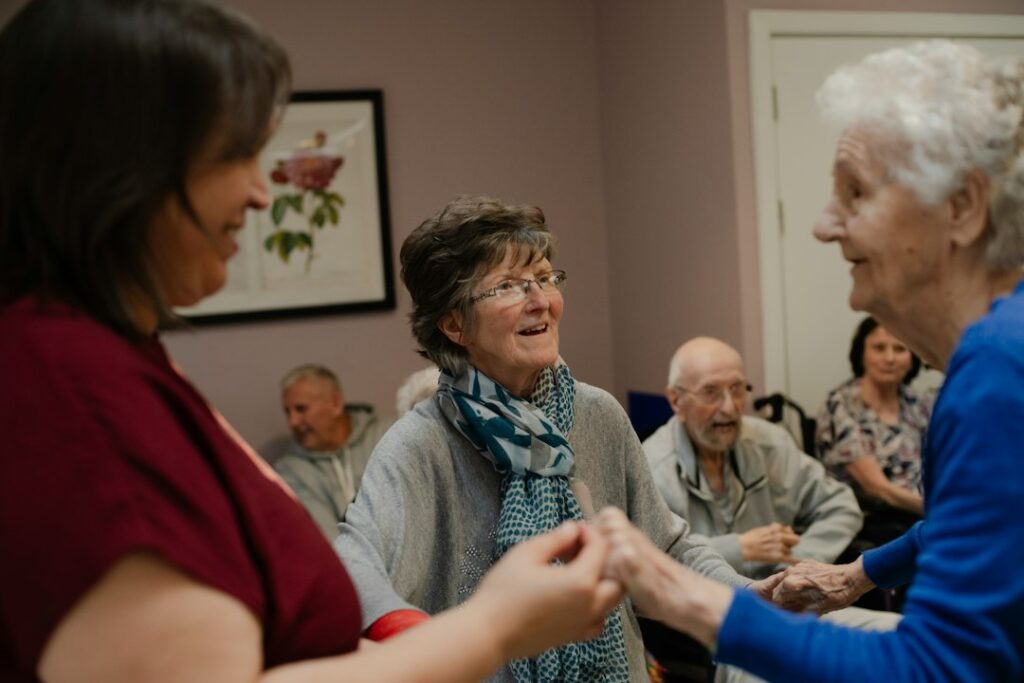
Living in an assisted living residence involves sharing routines, spaces, staff attention, and community expectations. Disagreements can arise between residents, families, caregivers, or administrators. Most conflicts can be addressed more effectively when concerns are raised early, described clearly, and handled with respect.
In West Chester, PA, residents and families should understand both practical communication strategies and the protections available under Pennsylvania assisted living regulations.
What types of conflict are common in assisted living?
Most disagreements involve daily routines, personal boundaries, communication, or differences in care expectations. A conflict may be minor, such as repeated noise during quiet hours, or more serious, such as missed assistance, intimidation, or suspected mistreatment.
Common examples include:
- Room temperature, noise, lighting, television, or shared-space concerns
- Disagreements about dining preferences, seating, or meal timing
- Confusion about medication reminders, bathing, mobility assistance, or scheduled activities
- A resident entering another person’s room or handling personal belongings
- Tension between family members and staff about updates or care decisions
- Frustration about delayed responses to call bells or requests for help
- Disputes involving visitors, pets, smoking rules, or privacy
- Concerns about fees, personal property, residence rules, or a possible discharge
A disagreement does not always mean that someone acted improperly. Residents may have different habits, health conditions, communication styles, or levels of independence. However, repeated conflict should not be dismissed as simply part of communal living.
How should a resident respond to a disagreement with another resident?
The safest first step is to create distance and avoid arguing in the moment. A resident can calmly state the specific problem, explain how it affects daily life, and request a practical change.
For example, “The television is keeping me awake after quiet hours. Could we lower the volume or ask staff about another arrangement?” is more useful than accusing the other person of being inconsiderate.
If direct communication feels unsafe or has already failed, the resident should involve a staff member. Staff may be able to adjust seating, activity schedules, room assignments, supervision, or shared-space arrangements. A resident should not be expected to confront someone who is threatening, physically aggressive, severely confused, or acting unpredictably.
Some behaviors may be related to dementia, medication effects, pain, hearing loss, infection, anxiety, or another health concern. That possibility does not excuse intimidation or abuse, but it may affect the safest response. Staff should assess whether a medical or support-plan change is contributing to the problem.
What is the best way to raise a concern with staff?
Describe facts rather than assumptions. Include what happened, when it happened, who was present, and what outcome would help.
A useful report might include:
- The date and approximate time
- The location
- The people involved
- The exact behavior or statement, as accurately as possible
- Any injury, loss, fear, missed care, or disruption that resulted
- The names of staff members already notified
- The response received
- The requested next step
Written notes can be helpful when an issue repeats. A resident or family member may keep a simple record of dates, conversations, and outcomes. Documentation is especially useful when the concern involves missed services, lost property, medication problems, financial questions, or a possible retaliation concern.
Ask who is responsible for reviewing the issue and when a response is expected. If the concern involves a direct-care worker, it may be appropriate to speak with a supervisor or administrator rather than trying to resolve the matter with that same employee.
How can families help without making a conflict worse?
Families are often most effective when they support the resident’s preferences and focus on specific solutions. Speaking for a resident without first understanding the resident’s wishes can create confusion or make the resident feel excluded.
Before raising a concern, a family member should ask:
- What happened from the resident’s perspective?
- What outcome does the resident want?
- Is the issue urgent, ongoing, or already resolved?
- Has the resident given permission to discuss private information?
- Would a meeting with the resident, family, staff member, and supervisor help?
A calm meeting is usually more productive than repeated unscheduled conversations in hallways or during busy care periods. The discussion should focus on the resident’s support plan, residence rules, rights, and practical changes rather than personal criticism.
In West Chester, seasonal conditions can also affect routines. Winter weather may limit outdoor activities and increase time spent indoors, while hot, humid periods can make shared rooms feel uncomfortable. These changes may increase irritability or disagreements, so temporary adjustments to activities, ventilation, hydration, and quiet spaces may help.
When does a disagreement become a rights or safety issue?
A conflict requires prompt escalation when it involves abuse, neglect, exploitation, threats, discrimination, physical harm, involuntary seclusion, or unsafe care. A resident should not be punished, intimidated, threatened with discharge, or treated differently for making a good-faith complaint.

Examples of serious warning signs include:
- Unexplained bruises, injuries, fear, or sudden withdrawal
- Threats, physical aggression, unwanted restraint, or sexual misconduct
- Missing money, medications, identification, jewelry, or other property
- Repeated failure to provide contracted services or necessary assistance
- Retaliation after a complaint
- Staff preventing private communication with family, an attorney, a physician, or an advocate
- A sudden discharge threat used to silence a concern
Immediate danger requires emergency assistance. For non-emergency concerns, the resident or designated representative can report the matter through the residence’s grievance process and, when appropriate, to Pennsylvania’s assisted living licensing authorities or the Long-Term Care Ombudsman Program.
What rights does a Pennsylvania assisted living resident have during a dispute?
Pennsylvania assisted living residents have the right to dignity, respect, privacy, communication, and freedom from abuse, neglect, exploitation, and involuntary seclusion. Residents may file complaints and grievances without intimidation, retaliation, or threat of discharge.
Residents also have the right to review or request corrections to their records, participate in support-plan discussions, receive contracted services, and use internal and external procedures to appeal an involuntary discharge. Residence rules and the resident-residence agreement should be reviewed because they explain procedures for visitors, shared spaces, personal property, fees, services, and relocation.
A resident does not give up these rights simply because conflict exists with another resident, a family member, or staff person.
What should a resident do if the residence does not resolve the problem?
Begin with the residence’s grievance procedure unless there is an immediate danger or suspected serious abuse. Ask for the procedure in writing, identify the person responsible for grievances, and request a written response when appropriate.
If the response is delayed, incomplete, or retaliatory, the concern may be taken outside the residence. Pennsylvania’s Long-Term Care Ombudsman Program can help residents and families understand options and work through disputes involving quality of life, staffing, medications, property, policies, or discharge. The state licensing agency can also investigate complaints involving health, safety, regulatory compliance, or resident rights.
Keep copies of written complaints and responses. Avoid exaggeration, threats, or posting private details publicly. Clear, factual communication generally creates the strongest record and gives decision-makers the information needed to act.
How can conflict be prevented before it escalates?
Prevention starts with clear expectations. Residents and families should understand the support plan, residence rules, visiting procedures, quiet hours, personal property safeguards, and methods for reporting concerns.
Helpful habits include:
- Raise small problems before resentment builds
- Use calm, specific language
- Respect privacy and personal space
- Ask staff to clarify unfamiliar rules or care routines
- Include the resident in decisions whenever possible
- Revisit support needs after a change in health, mobility, mood, or memory
- Request a care-plan discussion when the same problem continues
- Use mediation or an administrator-led meeting when direct conversation is not productive
The goal is not to eliminate every disagreement. It is to make sure concerns are heard, safety is protected, and residents remain involved in decisions about their daily lives.
