
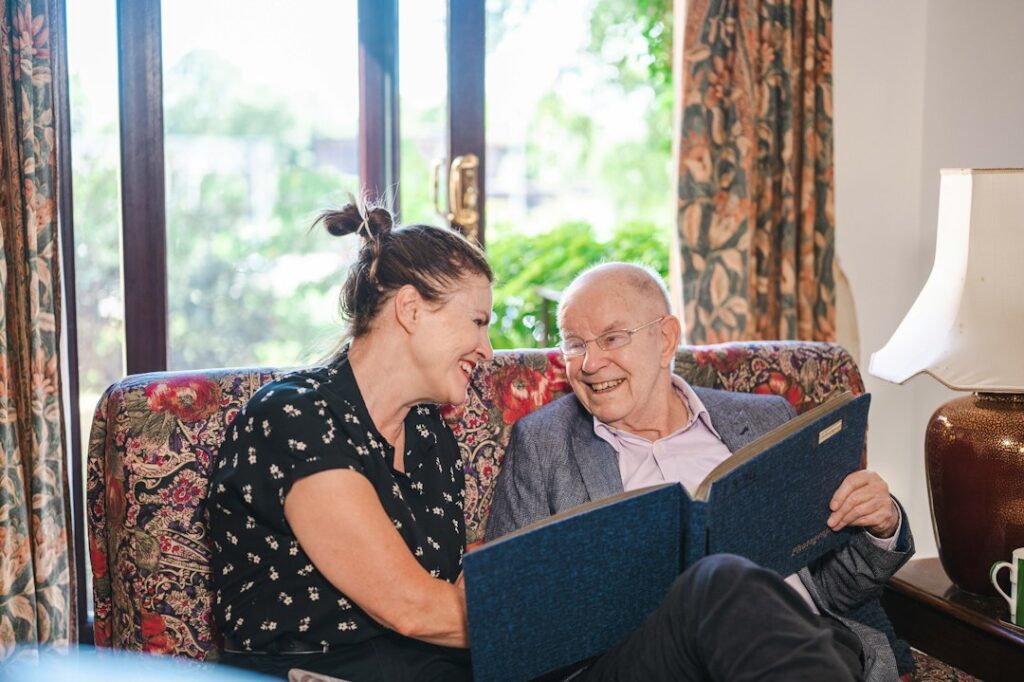
Moving into assisted living can raise practical questions that brochures and floor plans do not answer. What does a normal day feel like? How much privacy is available? What happens when a resident wants a quiet morning, skips an activity, or needs more help than expected?
The following interview-style account represents common themes residents describe, rather than the experience of one identifiable person. Daily routines differ by residence, health needs, preferences, staffing, and personal goals.
What does a typical morning look like?
Most mornings begin at a resident’s own pace, although some people need help getting dressed, taking medications, bathing, or preparing for breakfast.
> Resident: “The biggest change was not having to manage everything alone. I can wake up when I want, but I also know someone is available if I need help.”
A typical morning may include:
- Getting ready in a private apartment or room
- Receiving assistance with personal care
- Eating breakfast in a shared dining area or in the living unit, depending on the residence
- Taking scheduled medications
- Reading, talking with neighbors, or resting
Residents often say that mornings feel less rushed when household chores, meal preparation, and certain daily tasks are no longer their responsibility. However, assisted living is not the same as having constant one-to-one attention. Help may be scheduled, and response times can vary depending on the type of assistance needed.
How much choice does a resident have?
Residents generally retain control over many personal decisions, including clothing, visitors, religious practices, social relationships, and how they spend free time. Pennsylvania assisted living rules recognize rights related to privacy, communication, personal dignity, and participation in decisions affecting care.
> Resident: “I expected a strict schedule. There is a schedule, but I can still decide what I want to do. I do not have to attend every activity.”
A written assessment and support plan typically identifies the assistance a resident needs. That plan may address mobility, personal care, medication support, meals, communication, and safety. It should not be treated as a permanent description of the person. Needs can change, and the plan may need to be reviewed.
A useful question for families is not simply, “What services are offered?” It is also, “Which parts of the day can the resident control?”
What happens during the afternoon?
Afternoons often include a mix of planned activities and unstructured time. Depending on the residence, residents may participate in exercise, crafts, music, discussion groups, games, educational programs, outdoor time, or visits with family members.
Some residents enjoy a full calendar. Others prefer a quiet afternoon in their apartment, a phone call, a nap, or time with one or two friends.
> Resident: “I like having choices, but I do not want every hour filled. Some days I join an activity. Other days I watch television and keep to myself.”
This balance matters. A busy activity calendar does not automatically mean residents are engaged, and a quiet resident is not necessarily lonely. Staff and family members should look for changes in mood, appetite, sleep, mobility, or interest in familiar activities. Those changes may suggest that a resident needs a different routine or additional support.
Are meals flexible?
Meals are a major part of daily life because they combine nutrition, routine, and social contact. Residents may eat in a dining room, receive meals in their living unit, or use both options depending on personal preference and health needs.
Questions worth asking include:
- Can a resident choose between meal options?
- How are food allergies, diabetes, swallowing concerns, or religious preferences handled?
- Are snacks available between meals?
- What happens if a resident is too tired or ill to attend the dining room?
- Can family members share a meal during a visit?
Food preferences may change after a move. A resident who once enjoyed cooking may miss familiar recipes, while someone who disliked meal preparation may appreciate having regular options without grocery shopping or cleanup.
In the region’s changing seasons, families may also want to ask how meals, hydration, and indoor activities are handled during very hot weather, winter storms, or periods when travel is difficult.
How do residents maintain privacy and independence?
Assisted living combines private living space with shared services. Residents may have their own apartment or room, personal furnishings, a telephone, and a routine that reflects their habits. Shared areas create opportunities for conversation but are not a requirement for constant socializing.
Independence may look different after a move. A resident might no longer drive regularly but may still choose clothing, manage personal belongings, make phone calls, attend religious services, or decide how to spend the afternoon.
> Resident: “Independence now means I have support with the things that became difficult, but I still make ordinary decisions for myself.”
Privacy should include respectful communication, private visits, and dignity during bathing, dressing, changing, and personal care. Residents and designated family members should understand how to raise concerns if privacy is not being respected.
What is the hardest part of the adjustment?

The first weeks may bring mixed emotions. Relief, grief, irritation, loneliness, and gratitude can occur at the same time. A move may involve giving up a longtime home, sorting possessions, learning a new layout, and meeting unfamiliar people.
Residents commonly identify these adjustments:
- Learning the dining and activity schedule
- Remembering staff names and learning how to request help
- Deciding which belongings to bring
- Getting comfortable with new sounds and routines
- Staying connected with family and former neighbors
- Accepting help with tasks that once felt private
A familiar lamp, chair, quilt, photographs, music, or small daily ritual can make a new living space feel more personal. Regular visits are helpful, but meaningful contact does not always require a long visit. A short phone call, shared snack, letter, or conversation about familiar memories may be valuable.
What if a resident is unhappy?
Residents do not lose the right to express concerns after moving into assisted living. Complaints may involve food, noise, housekeeping, medication timing, personal care, activities, communication, or changes in support needs.
A practical first step is to describe the specific problem, when it occurred, and what outcome would help. Keeping notes can be useful if the concern continues. Residents may also ask to review their support plan or speak with a designated family member.
Pennsylvania residents have recognized rights and complaint procedures. A residence should provide information about how concerns can be reported, including options outside the residence when appropriate. Residents also have the right to communicate privately with family, physicians, attorneys, and other people.
What should families learn from a resident interview?
The most revealing questions are often about ordinary moments rather than amenities:
- What part of the day do you enjoy most?
- When do you feel most independent?
- Is it easy to ask for help?
- What happens when you want to be alone?
- Do meals suit your preferences?
- Have your routines changed in ways you did not expect?
- What would you tell someone preparing to move?
Daily life in assisted living is not defined only by care tasks. It is also shaped by choice, privacy, relationships, meals, rest, familiar routines, and the ability to feel at home. For residents and families in West Chester, understanding those details can make conversations about a possible move more realistic and less intimidating.
